




Pipeline Cleaning & Calibration

Efficient flow starts with a clean pipeline. We remove debris, optimize conditions, and calibrate for accurate inspections, ensuring safe and compliant operations.

Essential Cleaning Before Every Inspection

Before inspection, pipelines must be clean for accurate results. Our cleaning tools are designed to remove debris, wax, corrosion, and scale ensuring unobstructed tool passage and high-quality inspection data.

From soft foam pigs to aggressive brush tools, we choose the right cleaning solution based on pipeline condition and medium. Clean pipelines lead to safer operations, better flow, and more reliable insights.

customer-service
Talk to Our Experts
Powerful Tools

Pipeline Cleaning Tool Solutions

Our pipeline cleaning solutions are built for performance, safety, and reliability. Whether it’s preparing for inspection or restoring flow efficiency, every tool is selected based on your pipeline’s condition and cleaning objectives.

1 +
.
Foam Cleaning Pigs
Ideal for light debris removal, liquid sweeping, and drying. Available in bare, coated, or brush variants. Flexible and safe for various pipe materials and shapes.
  • Great for low-pressure pipelines and short runs
  • Safe for sensitive pipe materials
  • Flexible enough to navigate minor bends and restrictions
.
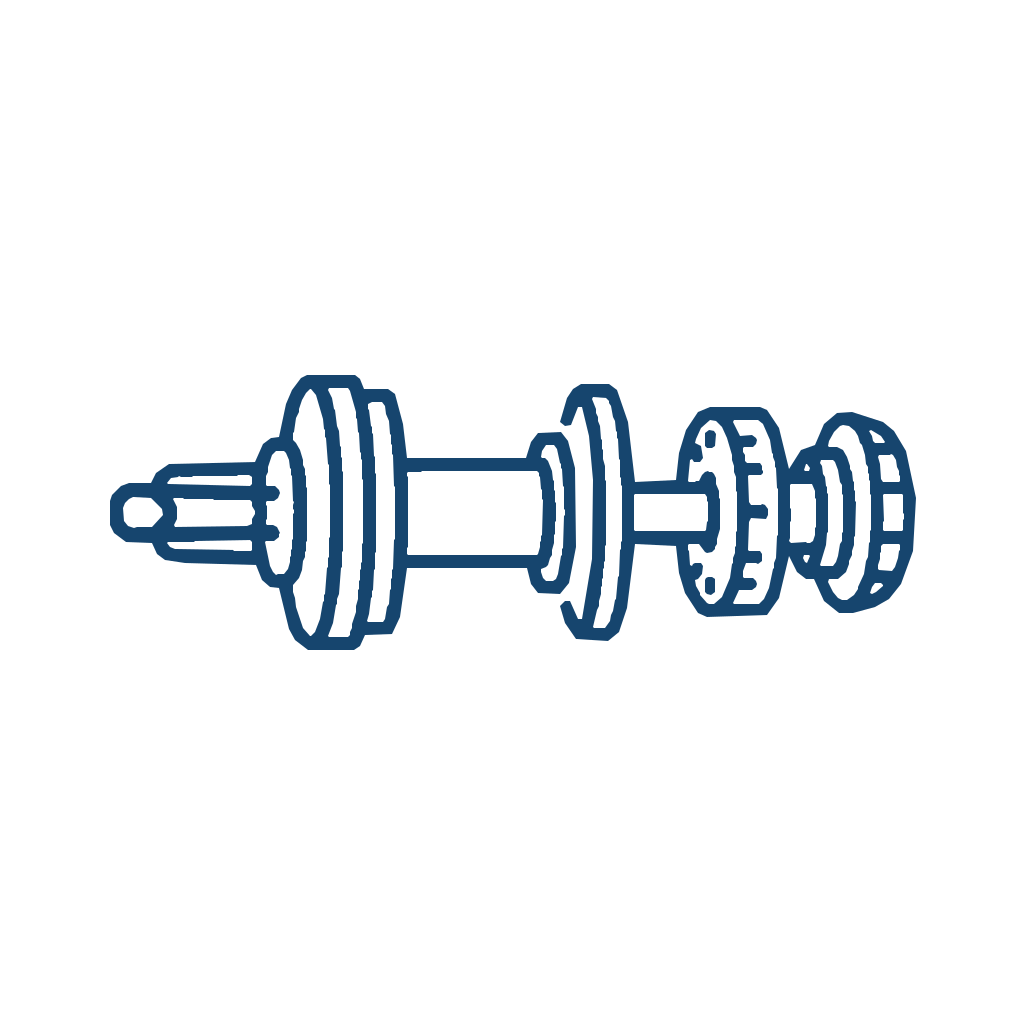
Scraper & Brush Tools
Built for aggressive cleaning, these tools remove wax, scale, and hard deposits. Options include spring blades, wire brushes, and steel cups.
  • Best used before intelligent inspections
  • Customizable configurations (bi-directional available)
  • Effective in high-build-up or neglected lines
.
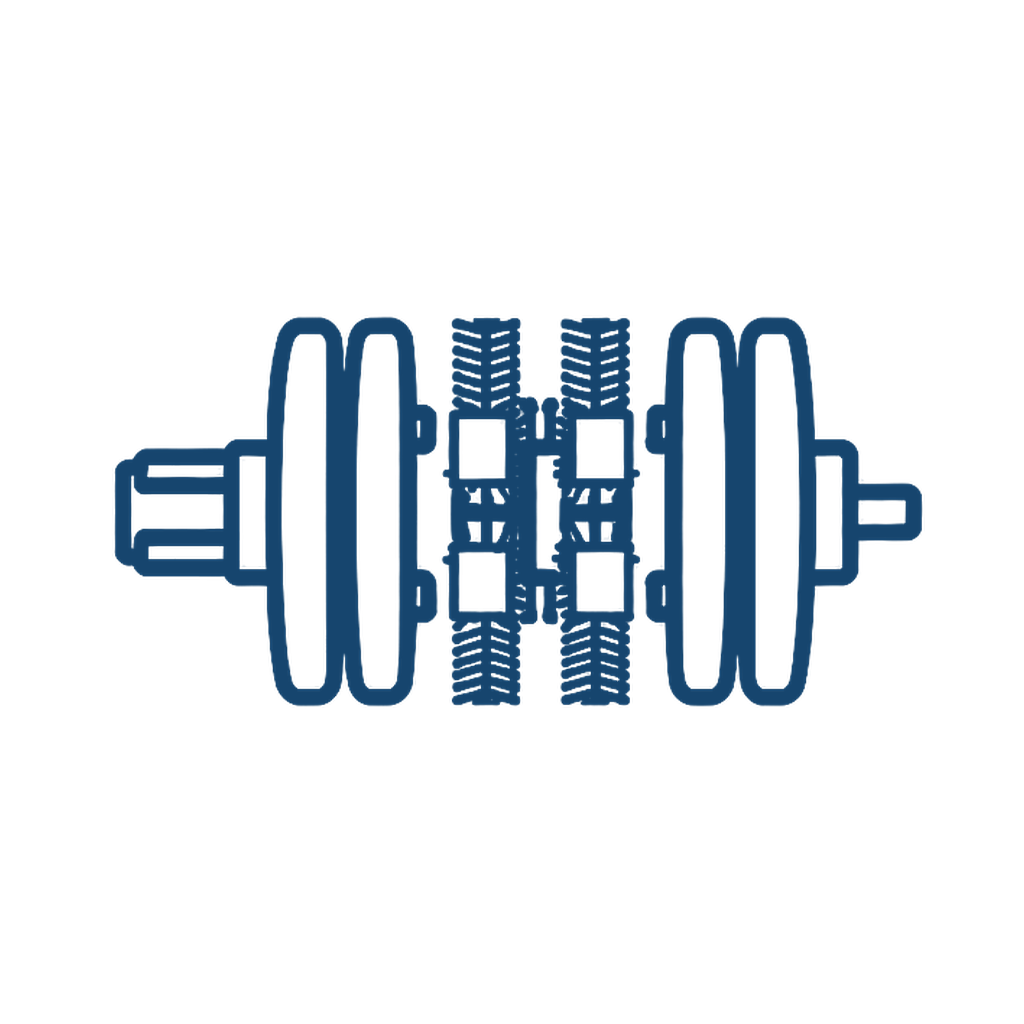
Magnetic Brush Cleaning Tool (MBCT)
This hybrid tool removes rust and collects ferrous debris using strong magnets and steel brushes. It’s especially useful for pipelines prior to MFL or UT inspections.
  • Ensures clean internal surface
  • Boosts accuracy of inspection tools
  • Collects loose particles while cleaning
What We Target During Pipeline Cleaning

Clean pipelines are essential for safe operations and accurate inspections. Every cleaning run is designed to clear critical obstructions, enhance flow, and prepare the line for next steps.

Debris & Deposits
Sludge, wax, scale, and sand that build up over time and restrict flow efficiency.
Ferrous Particles
Metal fragments and corrosion products that can affect inspection tools and data quality.
Wall Contaminants
Residual films and buildup that reduce internal diameter and impact pigging performance.
Geometry Obstructions
Unexpected restrictions or pipe shape distortions that can block or delay tool progress.

Our In-Line Inspection Process

Here are the 3 core stages of the in-line inspection journey—from building the tool to delivering actionable insights.

1

Tool Manufacturing & Configuration

Each inspection tool is customized and prepared based on pipeline size, product medium, and inspection goals.

2

Field Run & Data Collection

The tool is launched into the pipeline, collecting high-resolution data on geometry, metal loss, cracks, and other anomalies during the run.

3

Data Analysis & Final Report

Our experts interpret the raw signals, validate anomalies, and deliver a clear report with insights and repair recommendations.

What is in-line inspection (ILI)?
In-line inspection involves sending specialized tools (known as "pigs") through pipelines to assess their condition from the inside. These tools collect data on wall thickness, corrosion, cracks, deformation, and other potential threats.

What types of pipelines can be inspected?
Our tools are compatible with a wide range of pipeline sizes and materials—both onshore and offshore—used for transporting gas, oil, water, and refined products.
How accurate is the data collected?
Our tools provide high-resolution measurements with precise location mapping. Depending on the technology used (MFL, UT, EMAT, TFI, etc.), we can detect metal loss, cracks, weld anomalies, and geometric issues with millimeter-level accuracy.
How long does the inspection process take?
The duration depends on the pipeline length, accessibility, and the tool configuration. A full cycle—from preparation to final report—can range from a few days to several weeks.
Can the tools work in both liquid and gas pipelines?
Yes, we offer inspection tools designed for both liquid and gas environments. We also offer tethered and bi-directional solutions for complex cases.

What happens after the inspection?
Our team performs detailed data analysis and delivers a report that includes findings, severity classification, and actionable recommendations to maintain pipeline integrity.

Cart (0 items)

We help simplify complex operations by delivering clear, reliable pipeline inspection solutions.

Address Business
620000, Sverdlovsk region, Yekaterinburg, Antona Valeka st, 13, office 301.
Contact with us
Phone: +7(343) 357-32-01 E-mail: info@tuboscan.ru
Working time
Mon - Fri: 9.00 am - 6.00 pm Holiday: Closed